Gold is everywhere once you start looking for it. Album titles, award trophies, championship rings, red carpet jewellery, hip-hop chains, movie props – it shows up so often we’ve stopped noticing it.
That’s worth thinking about for a second, because gold doesn’t end up in all of those places by accident.
It Means the Best
Gold records. Gold medals. Gold trophies. Every industry, every era – when something is the highest it can be, it gets called gold. Not silver. Not platinum. Gold.
That’s not a coincidence. Gold doesn’t rust, gold doesn’t tarnish, and has outlasted pretty much every currency and trend it’s ever been attached to. It became shorthand for the best because it actually is: durable, rare, and consistent in a way that not many things are. When you want to say something is the finest version of itself, gold is the word most people reach for. That means something.
Chains, Rings, and What They’re Really Saying
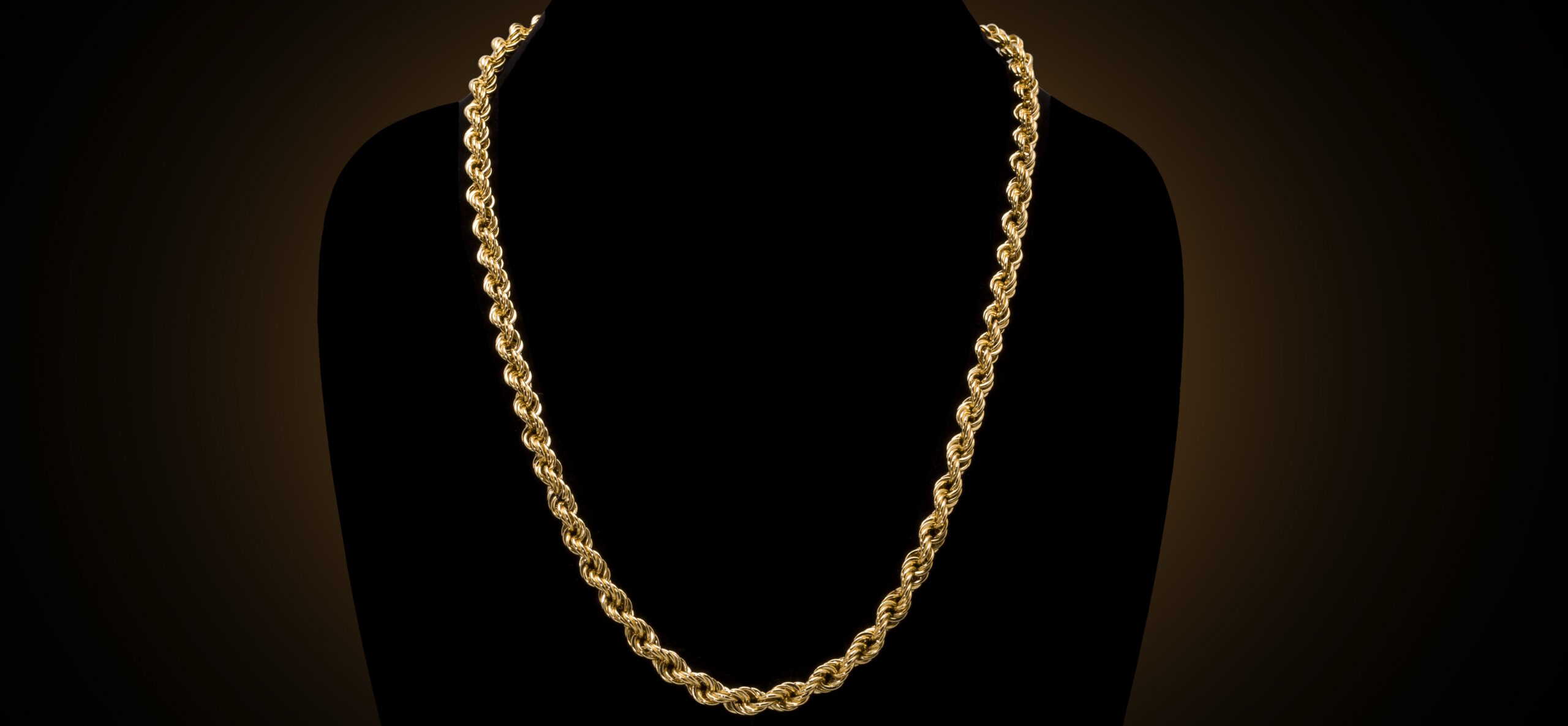
Hip-hop turned gold jewellery into its own language. A chain in a music video isn’t just there to look good. It’s a marker – of where someone came from, what they’ve built, how far they’ve gone. That’s been true since the early days of the genre and it hasn’t changed. If anything, the pieces have gotten more deliberate. Layered chains, custom pendants, rings stacked on every finger, it’s a whole visual vocabulary built around gold.
Athletes do the same thing in tunnel walks and postgame interviews. The jewellery is intentional. Gold specifically, because nothing else carries the same meaning in the same way.
What most people don’t think about while watching any of this is whether it’s actually real. Solid gold and gold-plated pieces can look identical on a screen: same colour, same shine, completely different value. The only way to know is to test the metal. That’s exactly what happens when someone brings a chain into a Canada Gold location. The look doesn’t tell you anything. The test does.
Award Season
The Grammys, the Oscars, the Met Gala, and more – for a few months every year the red carpet turns into one of the biggest jewellery showcases around. The pieces featured prominently are almost always set in 18-karat gold, yellow, white, or rose, because that’s the standard worked towards in the industry.
18-karat is 75% pure gold. Rich enough in colour to photograph well, strong enough to hold intricate settings without losing shape. It’s also the most common karat in fine jewellery generally, which means if you have rings, necklaces, or bracelets sitting at home, there’s a decent chance they’re the same karat as what you’ve been seeing on the carpet. The difference is the name on the box, not what’s in the metal.
The Gold Closer to Home
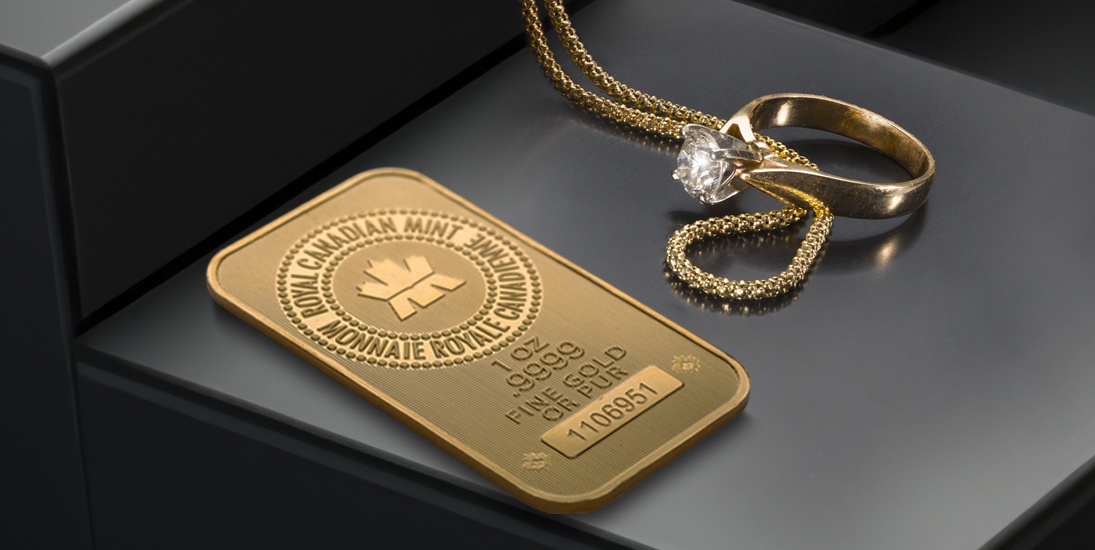
Pop culture keeps coming back to gold because the metal keeps showing up for it. It’s not a trend. It’s not branding. It’s just what gold is, something that lasts, something that holds its value, something that means the same thing it meant a hundred years ago.
The gold in hip-hop and the gold in your grandmother’s ring are made of the same stuff. One just has better lighting.
If you’ve got gold at home – whether it be jewellery, coins, bullion, or anything else – and want to know what it’s actually worth today, come in. Canada Gold offers free evaluations at all of our locations across Canada. No appointment needed.