Gold and silver have been trusted stores of value for centuries, yet there are still many misconceptions surrounding these precious metals. Whether you’re considering buying bullion, selling old jewellery, or adding precious metals to your investment portfolio, separating fact from fiction can help you make more informed decisions.
Here are some of the most common myths about gold and silver, and the truth behind them.
Misconception #1: Gold and Silver Are Only for Wealthy Investors
One of the biggest misconceptions is that investing in precious metals requires a large amount of money. While it’s true that gold has a higher price per ounce than many other assets, there are investment options available for a wide range of budgets.
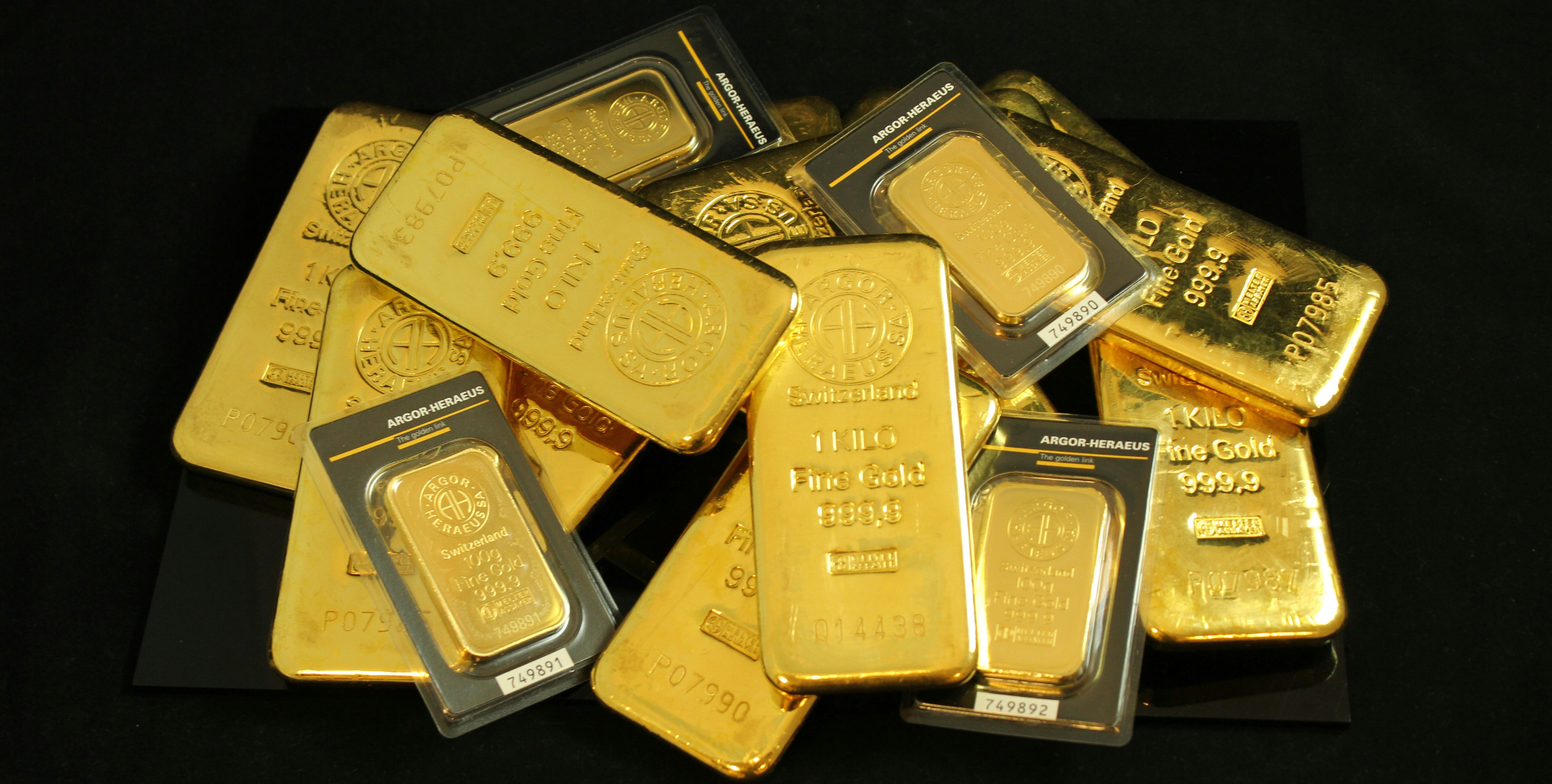
Silver bullion, fractional gold coins, and smaller gold bars make it possible for many Canadians to begin building a precious metals portfolio without making a significant upfront investment. Many investors choose to purchase precious metals gradually over time rather than all at once.
Misconception #2: Old or Broken Jewellery Has No Value
Many people assume that damaged jewellery belongs in the junk drawer, but that’s often not the case.
Broken chains, single earrings, worn rings, and outdated jewellery may still contain valuable gold, silver, platinum, or palladium. When precious metals are purchased for their metal content, appearance is often less important than purity and weight.
If you have jewellery you no longer wear, it may be worth having it professionally evaluated.
Misconception #3: Gold and Silver Always Increase in Value
Like any investment, gold and silver prices fluctuate based on supply and demand, economic conditions, interest rates, currency movements, and investor sentiment.
While precious metals have historically maintained their purchasing power over long periods, there are no guarantees that prices will always rise in the short term. Investors should view gold and silver as long-term assets that can play an important role in portfolio diversification, rather than expecting quick profits.
Misconception #4: Silver Isn’t as Valuable as Gold
Although gold receives much of the attention, silver has characteristics that make it valuable in its own right.
Silver is widely used in industries such as electronics, renewable energy, electric vehicles, and medical technology because of its exceptional electrical conductivity and antimicrobial properties. Its dual role as both an industrial metal and an investment asset contributes to its long-term demand.
While silver is generally less expensive per ounce than gold, it remains an important precious metal with a unique place in the market.
Misconception #5: You Need to Time the Market Perfectly
Many people delay buying gold or silver because they’re waiting for the “perfect” price. In reality, accurately predicting short-term market movements is extremely difficult.
Instead of trying to buy at the absolute lowest price, many investors focus on building their holdings gradually over time. This approach can help reduce the impact of short-term price fluctuations while supporting long-term investment goals.
Misconception #6: All Gold and Silver Items Are Worth the Same
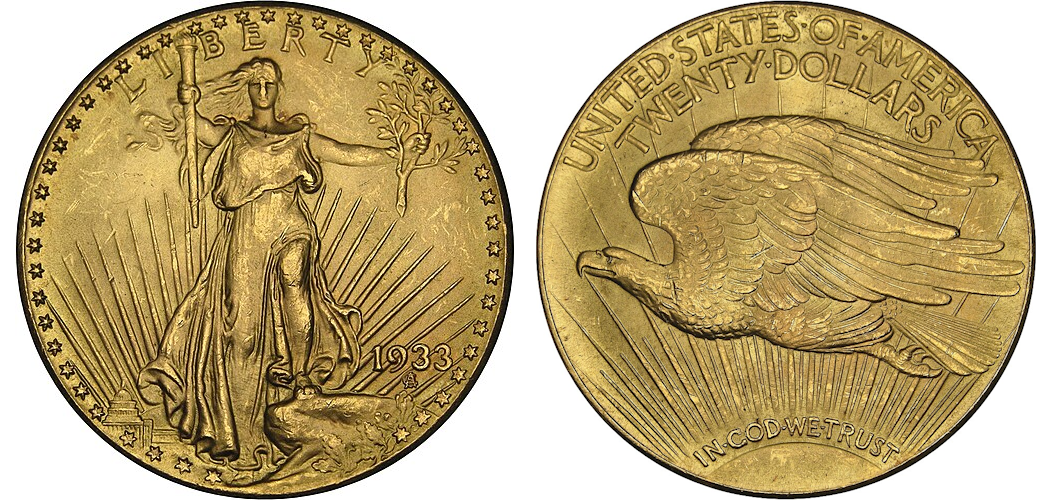
Not every gold or silver item has the same value. Factors such as purity, weight, rarity, condition, and whether an item has collectible or numismatic value all play a role.
For example, a 24-karat gold bar contains more pure gold than a 10-karat gold ring of the same weight. Likewise, certain collectible coins may be worth significantly more than their precious metal content alone.
A professional evaluation can help determine the true value of your items.
Misconception #7: Precious Metals Are Outdated Investments
In today’s world of digital currencies and online investing, some people believe gold and silver are relics of the past. However, precious metals continue to play an important role in the global economy.
Central banks hold gold as part of their reserves, manufacturers rely on silver for countless technologies, and investors around the world continue to purchase physical bullion as part of diversified portfolios.
Far from being outdated, gold and silver remain highly relevant in today’s financial landscape.
The Bottom Line
Gold and silver have earned their reputation over thousands of years, but myths and misunderstandings still influence how many people view these precious metals. By understanding the facts, investors and sellers alike can make more informed decisions and better appreciate the role precious metals can play in preserving wealth and diversifying a portfolio.
At Canada Gold, we believe education is just as important as service. Whether you’re buying bullion, selling precious metals, or simply looking to learn more, our knowledgeable team is here to answer your questions and provide honest, transparent guidance every step of the way.
Understanding the truth about gold and silver is the first step toward making confident decisions about your financial future.